
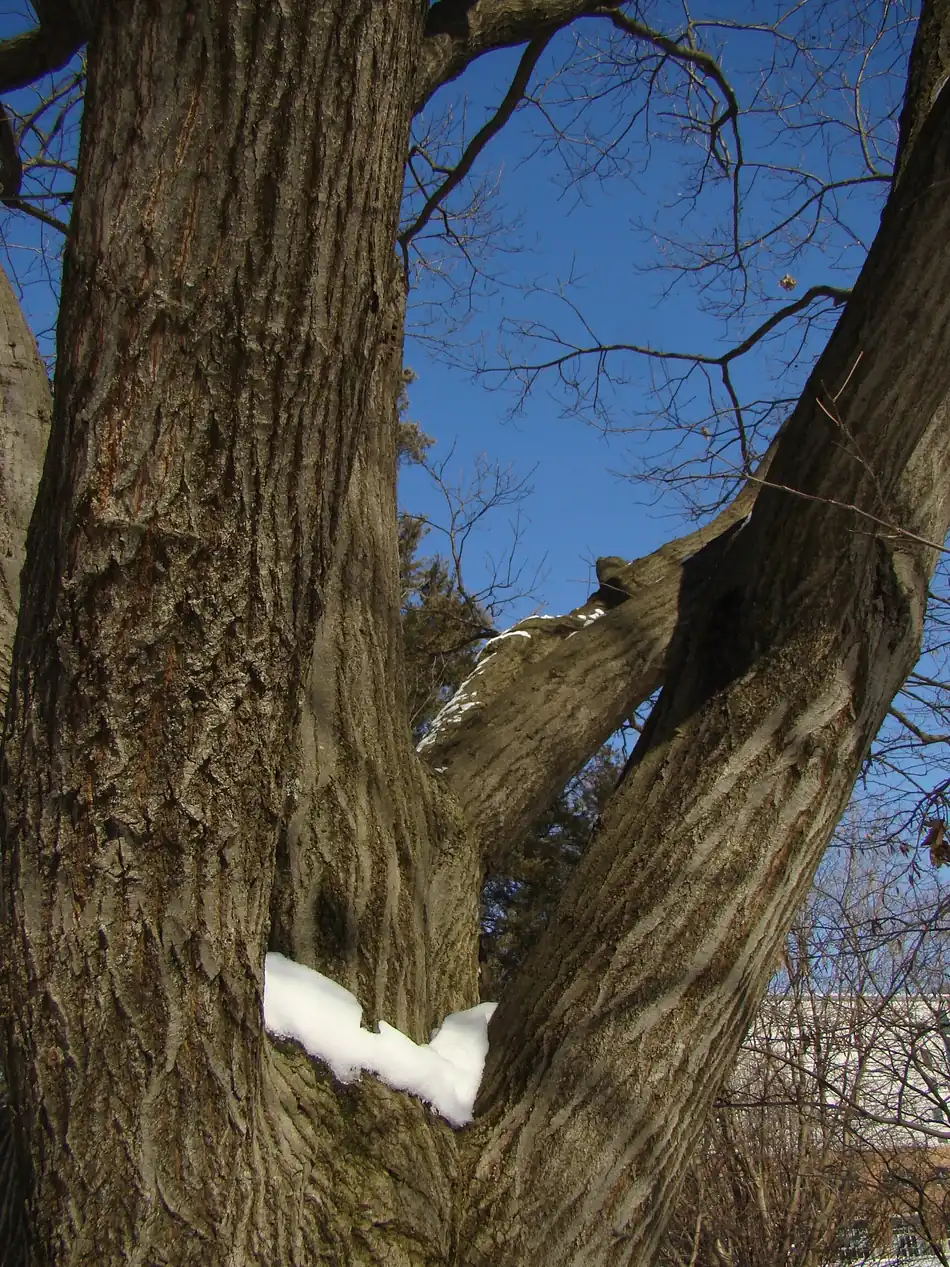
Tree Trimming in Weymouth, MA
Pruning is the cheapest work you can do to a tree and the easiest to ruin it with. Cuts sit outside the collar, a modest share comes off in a season, nothing gets topped.
Four Named Cuts, and the Right One
Thinning, raising, reduction and deadwooding solve four different complaints. Choosing wrong wastes a season at best.
Cuts outside the collar
A proper cut sits just clear of the branch collar so the tree can seal the wound itself. Cutting flush removes exactly the tissue that does that job.
A modest share, one season
Living foliage is how the tree eats. Taking too much in a single visit is how a sound tree gets pushed into decline by somebody trying to help it.
Reduction, never stubbing
Height comes off by cutting back to a lateral big enough to take over as the leader. That is a reduction. Anything else is a stub and it does not grow out.
Roadside work checked first
Trimming a public shade tree is covered by the same law as removing one. If your job is in the road layout, that is established before the climb rather than after.
How a prune Gets Agreed
The objective is settled before the climb, because thinning and reduction are not interchangeable.
Call
Start with the complaint. Too dark, too low over the drive, limbs on the roof, or deadwood dropping onto the lawn.
Assess
The whole crown gets read, then we say which of the four cuts actually fixes what is bothering you.
Quote
A written scope naming the cuts and the limbs, agreed on the ground before anybody ties in.
Prune
Cut, chipped and raked. Chips stay for your beds or leave with us, whichever you asked for.
Four Cuts and what each one fixes
| Pruning type | The complaint it solves |
|---|---|
| Crown thinning | Dense crown, no light through, poor air movement |
| Crown raising | Clearance over a drive, a path or a roofline |
| Crown reduction | A tree that has outgrown the space it was planted in |
| Deadwooding | Dead limbs dropping onto lawn, cars or people |
| Topping | Nothing. It is condemned practice and we do not do it |
| Lion-tailing | Nothing. It concentrates weight at the branch ends |
Pruning, in short
What sixty years does to a Weymouth crown
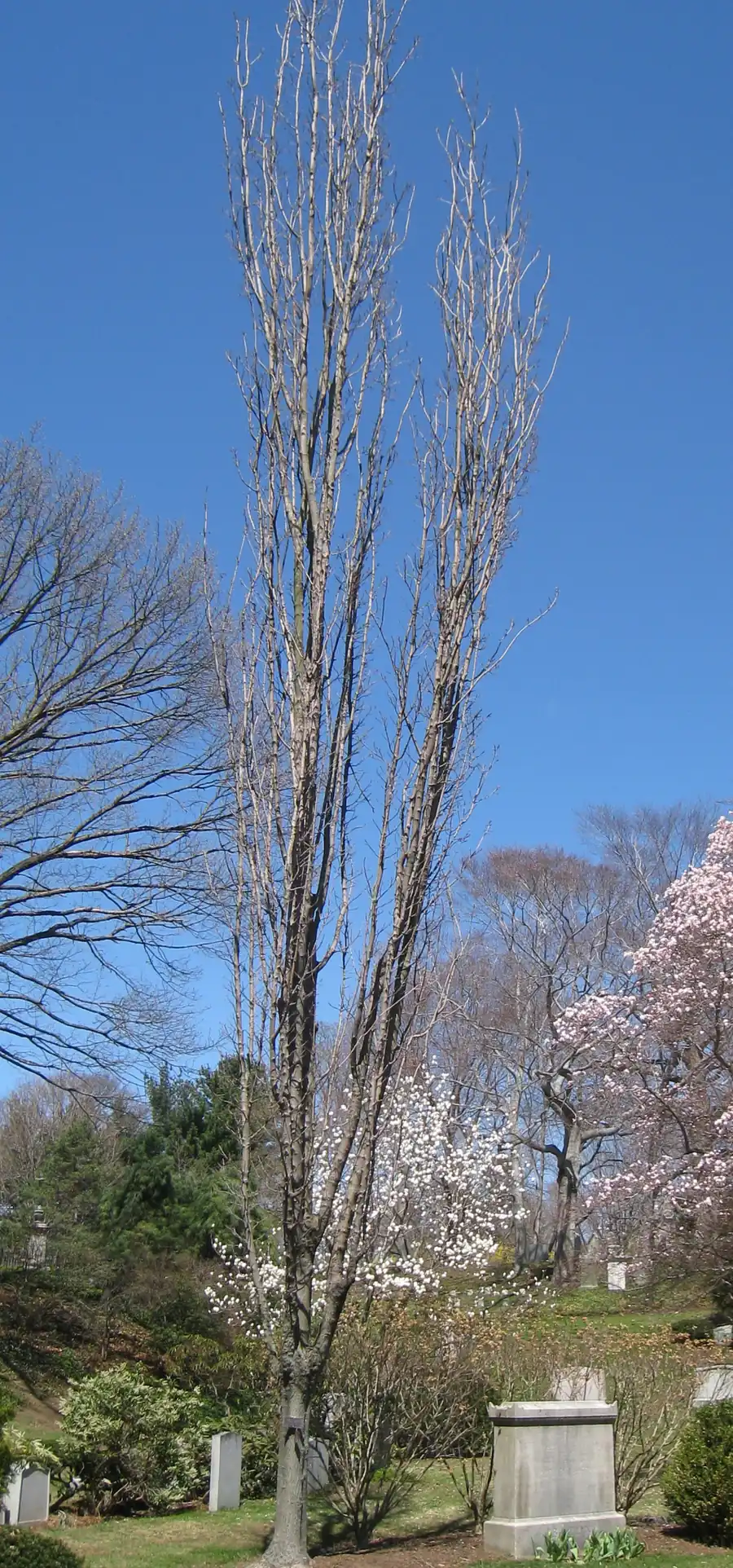
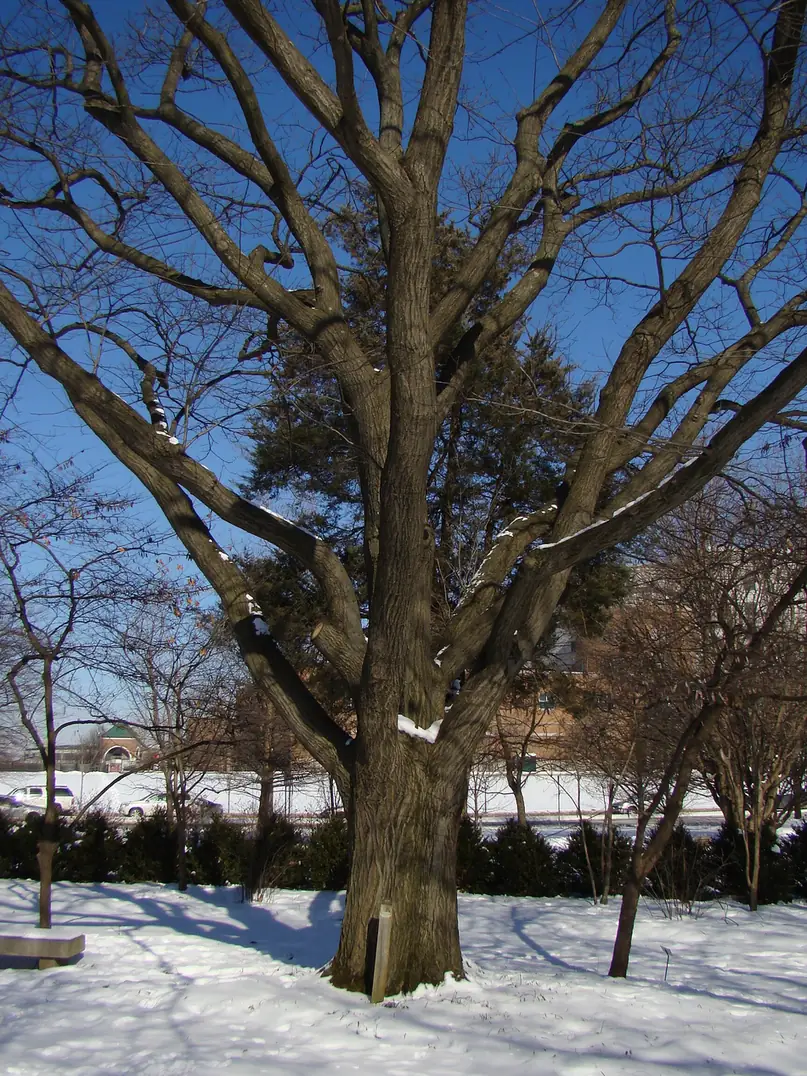
It builds length faster than strength. Red oak and sugar maple on a Weymouth plot have had six decades of a long growing season and plenty of rain, and on a lot that size the limbs run out toward the house because that is where the light is. Pruned on a cycle the ends stay short and the weight stays close in. Left alone for twenty years the same tree needs a reduction big enough to count as a wound rather than a trim, and it will carry that shape for the rest of its life. The cycle is the cheap part. The catch-up never is.
- ✓ Thinning and raising
- ✓ Reduction, never topping
- ✓ Deadwood cleared
- ✓ Roadside rules checked
- ✓ Brush chipped on site
- ✓ Cycle advice given
Six jobs a Weymouth lot tends to need
Takedowns, crane work, pruning, stumps, storm callouts and the clean-up that follows a nor'easter.
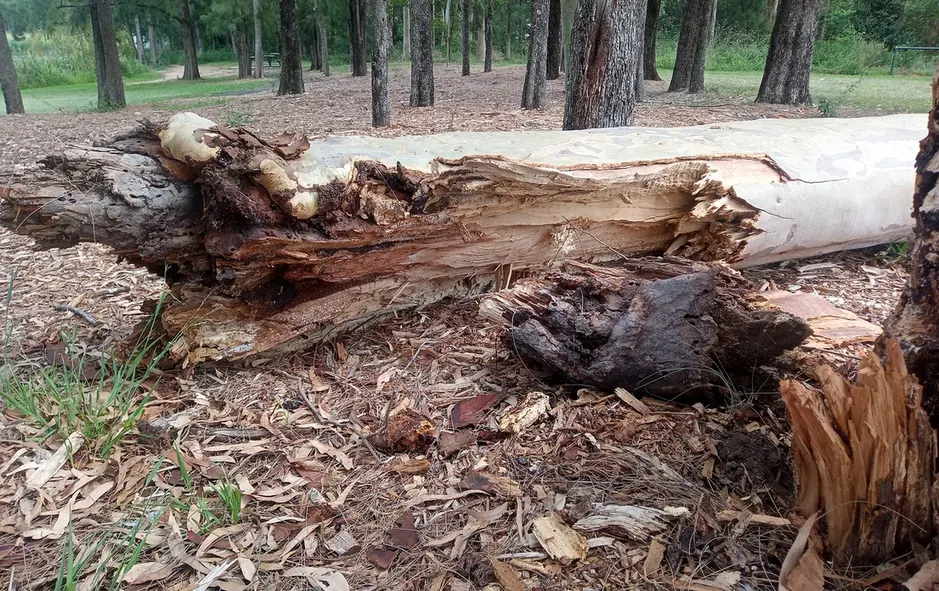
Tree Removal
Dropped whole where the space exists, otherwise taken apart from the top on ropes.
Learn more →Tree Trimming
Thinning, raising, reduction and deadwood, every cut set outside the branch collar.
Learn more →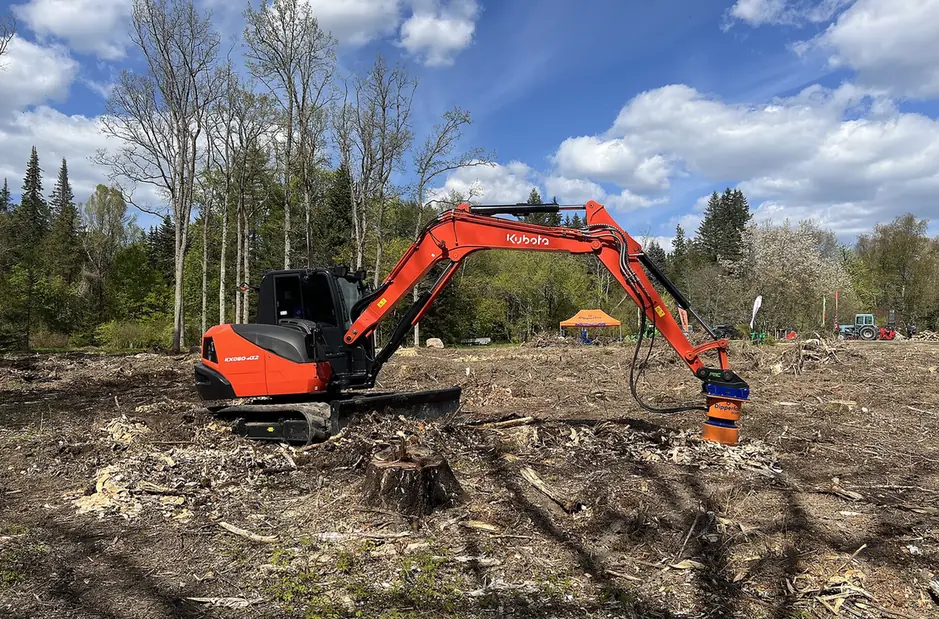
Stump Grinding
Ground out under the surface until the spot will take grass, a bed or a post again.
Learn more →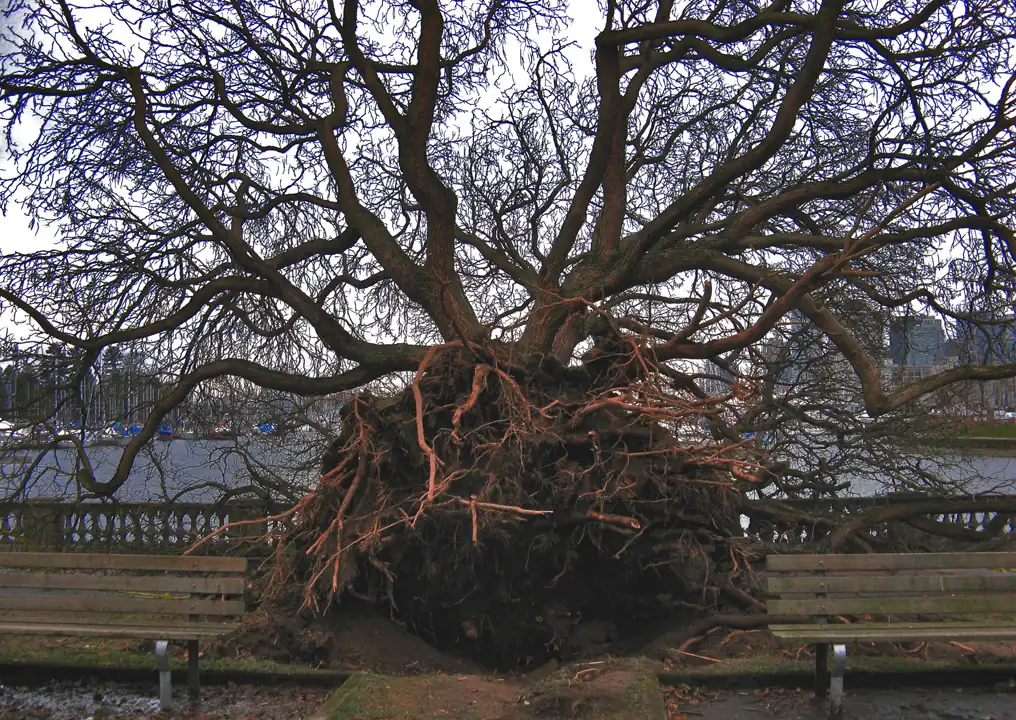
Emergency Tree Service
Anything on a roof, across a drive or leaning since the storm, seen ahead of the queue.
Learn more →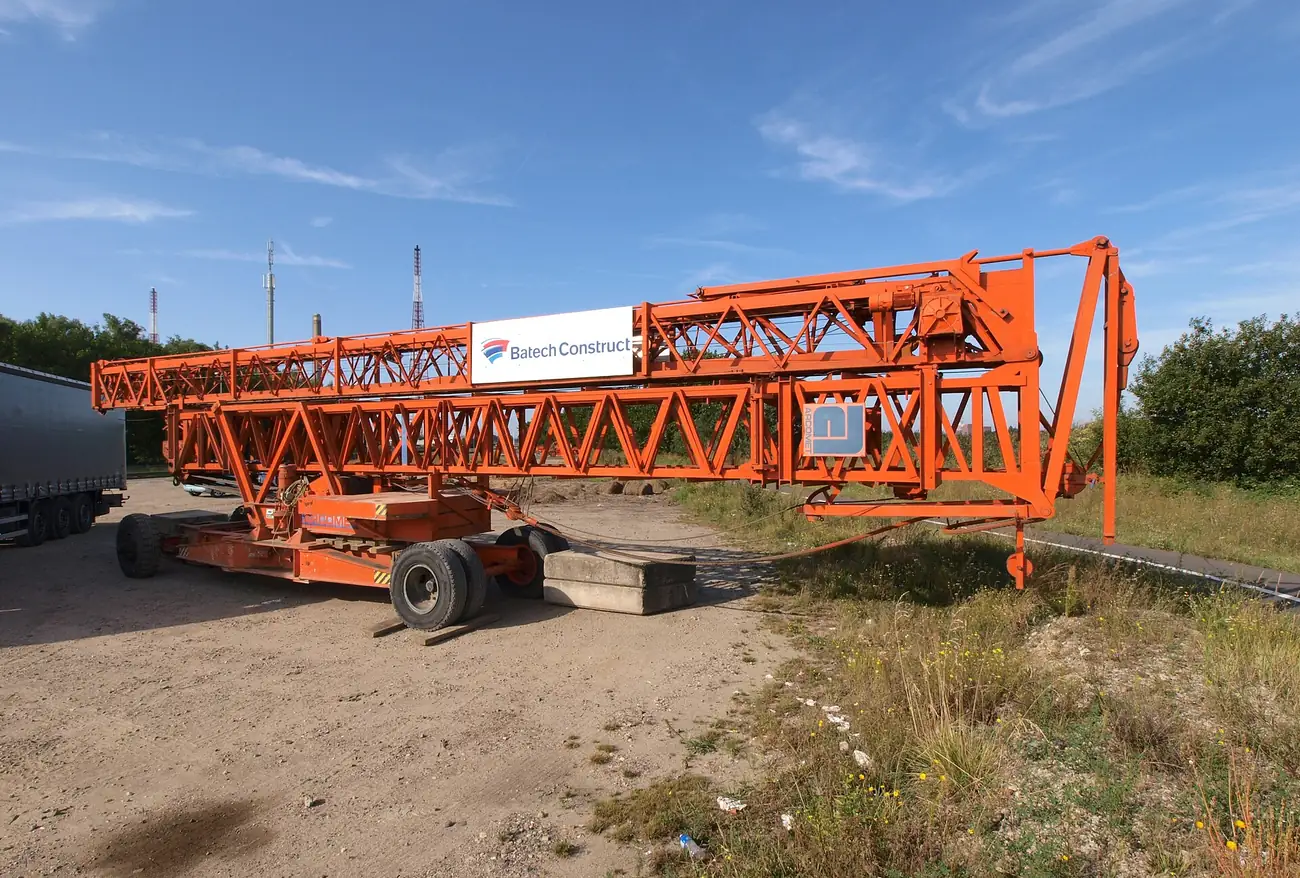
Crane-Assisted Removal
A crane lifts the sections out over the house when there is nowhere to lower them.
Learn more →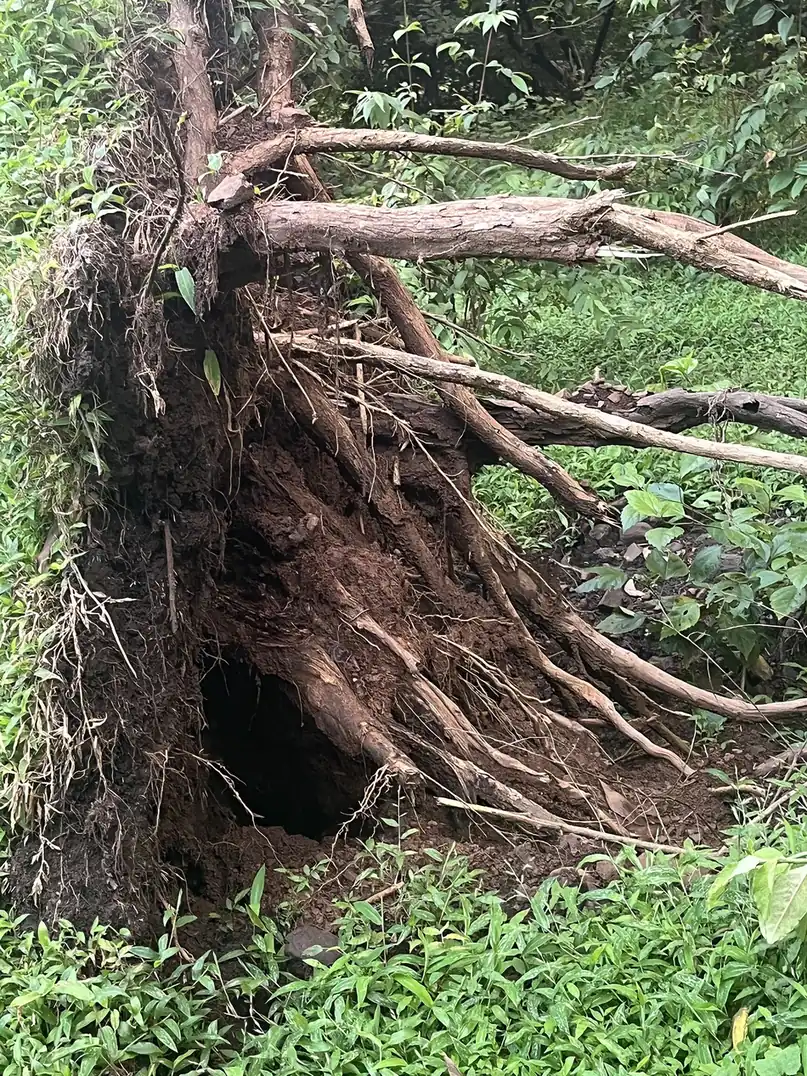
Storm Damage Cleanup
The clean-up after the wind: cut, chipped, loaded and carried off the property.
Learn more →Where We Work on the South Shore
The South Shore ring around Weymouth: Braintree and Quincy north, Hingham and Cohasset along the coast, Randolph, Holbrook and Abington inland, and out through Rockland, Norwell and Marshfield when the job warrants the run. One rate sheet, no mileage line on the invoice.
Pruning questions answered
Thinning takes selected live branches out through the crown so light and air move, leaving the tree the same size. Reduction actually makes it smaller, cutting leaders back to a lateral strong enough to take over.
No. It is condemned under the A300 standard. It starves the tree of the foliage it feeds on, and the dense regrowth that follows is attached only to the outer wood and breaks sooner than the limbs that were removed.
Deadwood can come out in any month. Structural pruning is easier once the leaves are off and the frame of the tree is readable. Clearance over a driveway or a roof is work most people book ahead of nor'easter season, not in the middle of it.
A modest share of the living crown, and no single percentage fits every tree. That is why the objective is agreed before the climb instead of pruning to a number from the internet.
Not lawfully, in most cases. Trimming a public shade tree falls under the same statute as removing one, so it needs the tree warden's written permit even where you own the land it stands in.
It shortens the odds and changes what fails. Deadwooding takes out what has already died and reduction shortens the leverage on long limbs. Neither repairs a decayed union, and we will tell you if that is what you have.
Per tree, and per what the pruning is meant to achieve. Hourly makes no sense when a dogwood by the front step and a seventy-foot oak hanging over the bedrooms are different days of work. The crown is read first, then the number.
If you want them. They make decent bed mulch, it saves us a trip and saves you buying bags. Keep them off the crown of anything you are trying to grow.
Not sure whether that street tree is even yours to cut?
Somebody real answers, the visit is not charged for, and where the week allows we get out to look within a few days. Ring, or send the details and we will come and put a tape on it.