
Tree Removal and Crane Work in Weymouth, MA
Sixty-year-old oak and maple on tight South Shore lots, and a street tree law that surprises most people who own one. We take them down, prune what can stay, and work out the permit question before anything is cut.
Six jobs a Weymouth lot tends to need
Takedowns, crane work, pruning, stumps, storm callouts and the clean-up that follows a nor'easter.
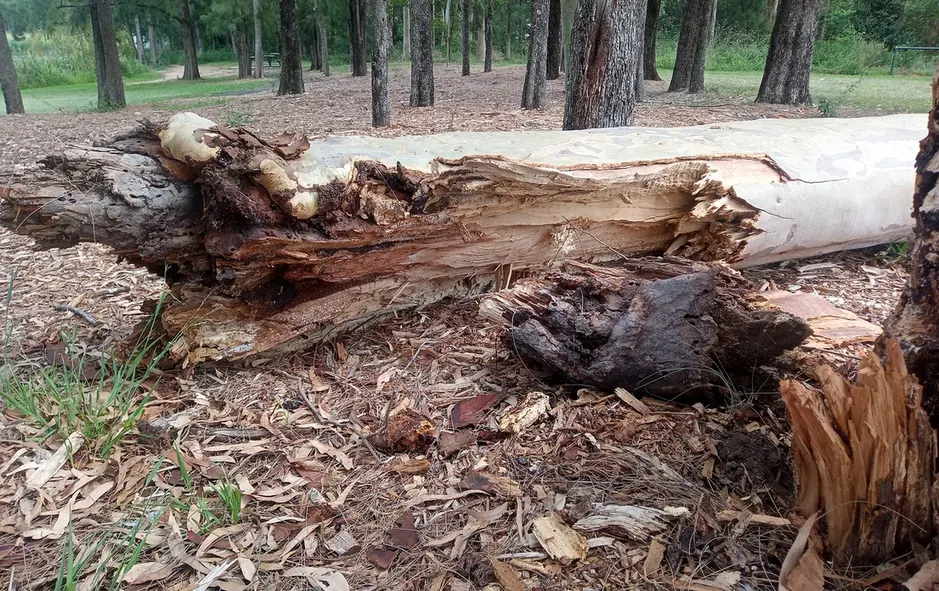
Tree Removal
Dropped whole where the space exists, otherwise taken apart from the top on ropes.
Learn more →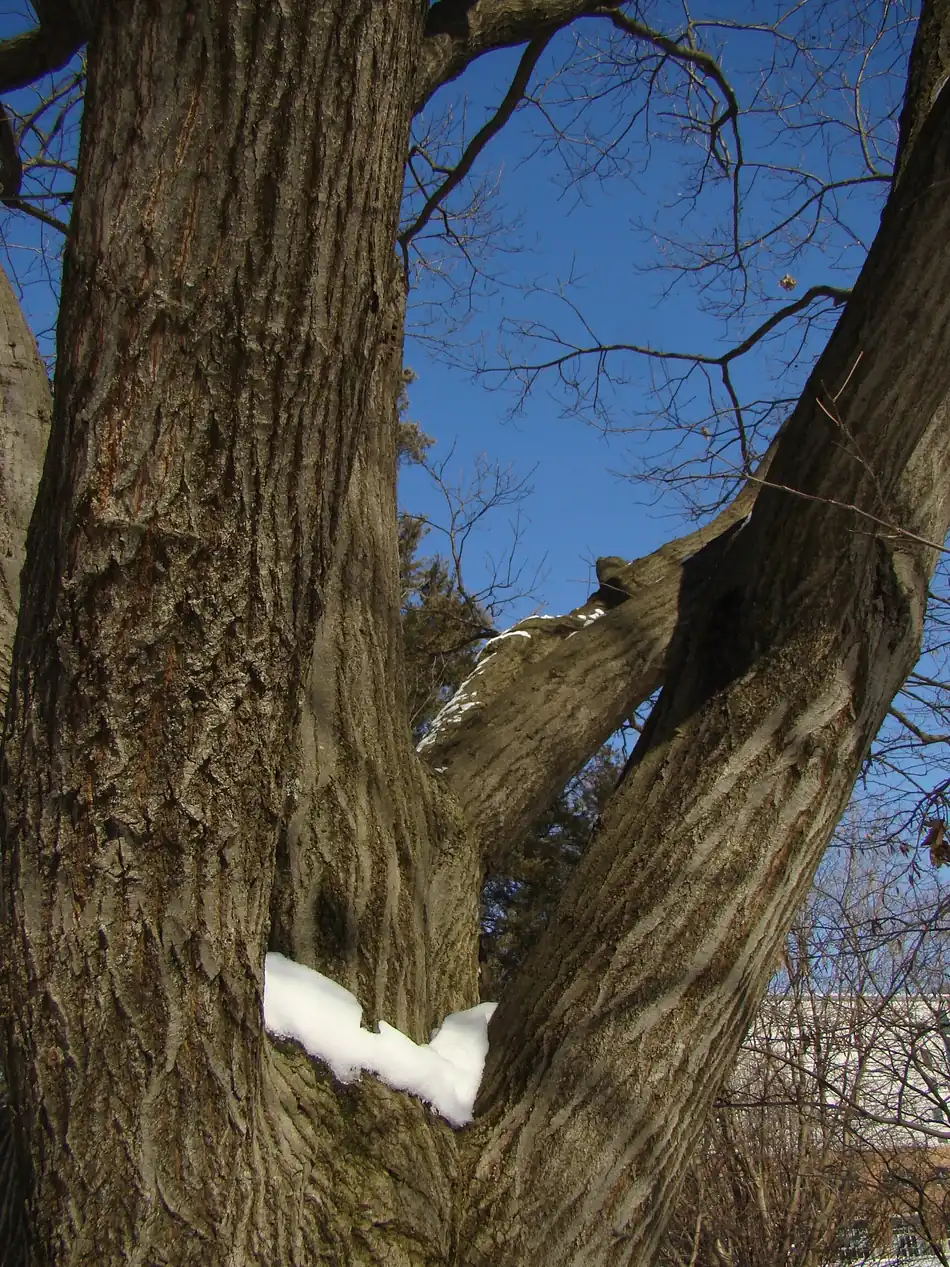
Tree Trimming
Thinning, raising, reduction and deadwood, every cut set outside the branch collar.
Learn more →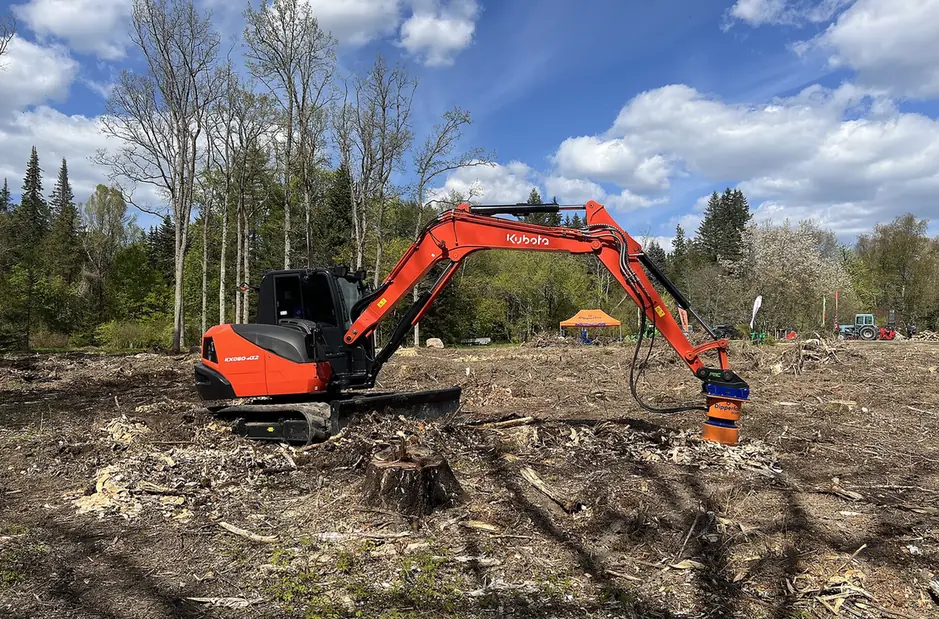
Stump Grinding
Ground out under the surface until the spot will take grass, a bed or a post again.
Learn more →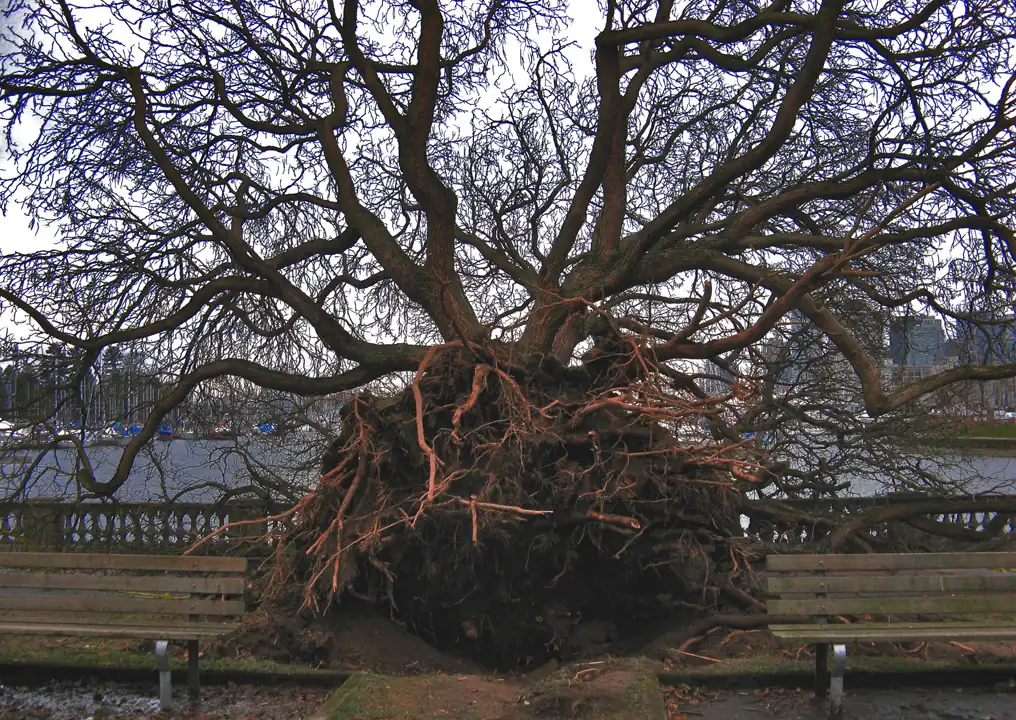
Emergency Tree Service
Anything on a roof, across a drive or leaning since the storm, seen ahead of the queue.
Learn more →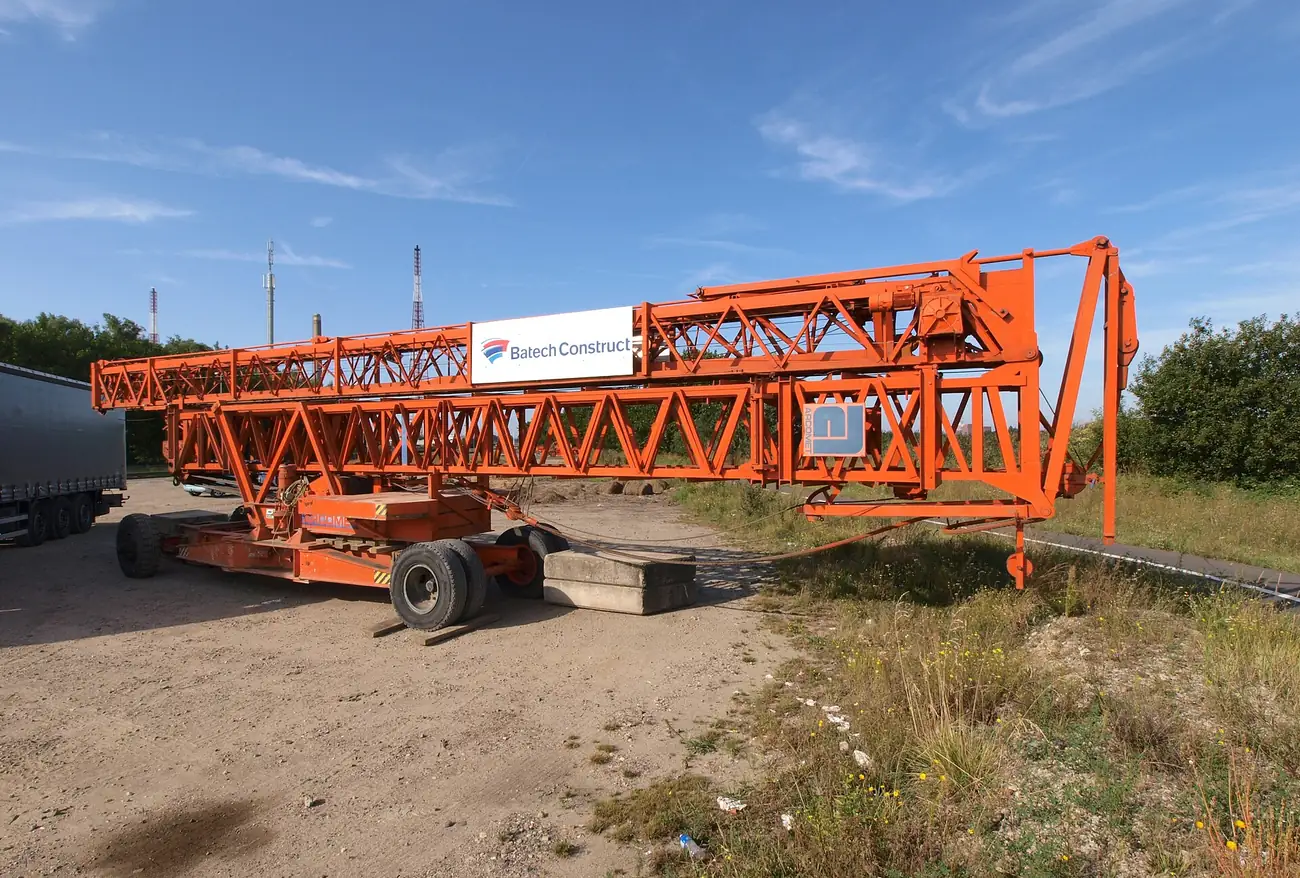
Crane-Assisted Removal
A crane lifts the sections out over the house when there is nowhere to lower them.
Learn more →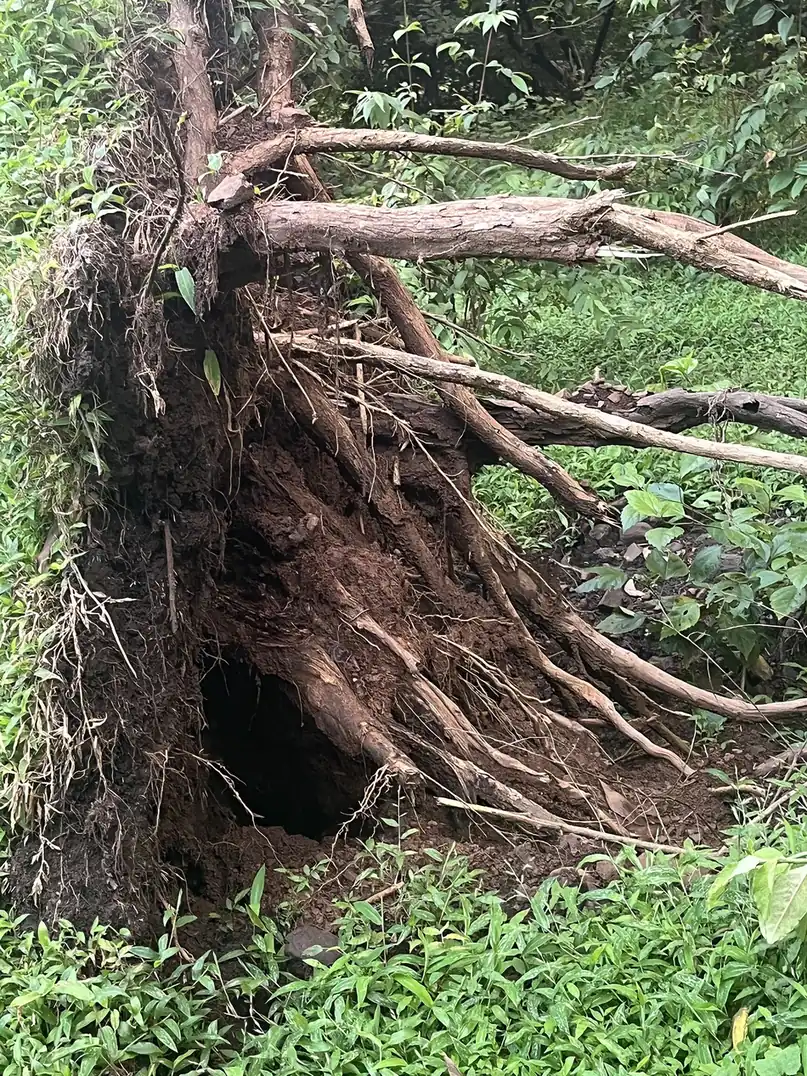
Storm Damage Cleanup
The clean-up after the wind: cut, chipped, loaded and carried off the property.
Learn more →Whose tree first
Public shade tree or private, settled before quoting
Written figure
Method and price agreed before a saw runs
Crane where needed
Lifted out when there is nowhere to lower it
Across the South Shore
Weymouth, Braintree, Quincy, Hingham and the ring
Whose Tree Is It, And Who May Cut It in Weymouth?
Because in Massachusetts the answer is genuinely not obvious, and getting it wrong is expensive. Public shade trees, meaning the ones standing in the road layout between the curb and the sidewalk, are governed by a law that has run for over a century. Nobody may cut, trim or remove one except the tree warden, and that holds even for the person who owns the land underneath it. A written permit is required, then a public hearing. In Weymouth the threshold starts at two and a half inches. So the first thing we work out on any job near the road is whose tree it actually is.
We settle the permit question first
Roadside jobs get the boundary and the tree warden question answered before a price exists. It is the cheapest hour on the whole job and almost nobody bills for it.
We tell you when it can stay
A lean is not a verdict and a hollow is not a death sentence. Plenty of the trees we are asked to quote are sound, and you will be told so.
The method is named in the quote
Felled, lowered on ropes, or lifted out by crane. Those cost different amounts because they take different time, so the paper says which one your lot allows.
No license theater
Massachusetts issues no arborist license, so nobody here waves one at you. What we will explain is the certification the public shade tree work actually requires.
The strip between your curb and your sidewalk, and who controls it
Most people assume the tree outside the front door is theirs because the land is. In Massachusetts that assumption is wrong more often than it is right.
A public shade tree is one standing within the public way, which in practice usually means the strip running between the curb and the sidewalk.
The statute is blunt about it. Such a tree may not be cut, trimmed or removed by any person other than the tree warden or a deputy, even where that person owns the fee in the land.
Getting one down needs a written permit and then a public hearing, advertised at least seven days ahead with the notice posted on the tree, and a single written objection escalates the decision.
None of that makes removal impossible. It makes it a process, and a process is much cheaper to start correctly than to unwind afterwards.

Why the canopy here all reached maturity together
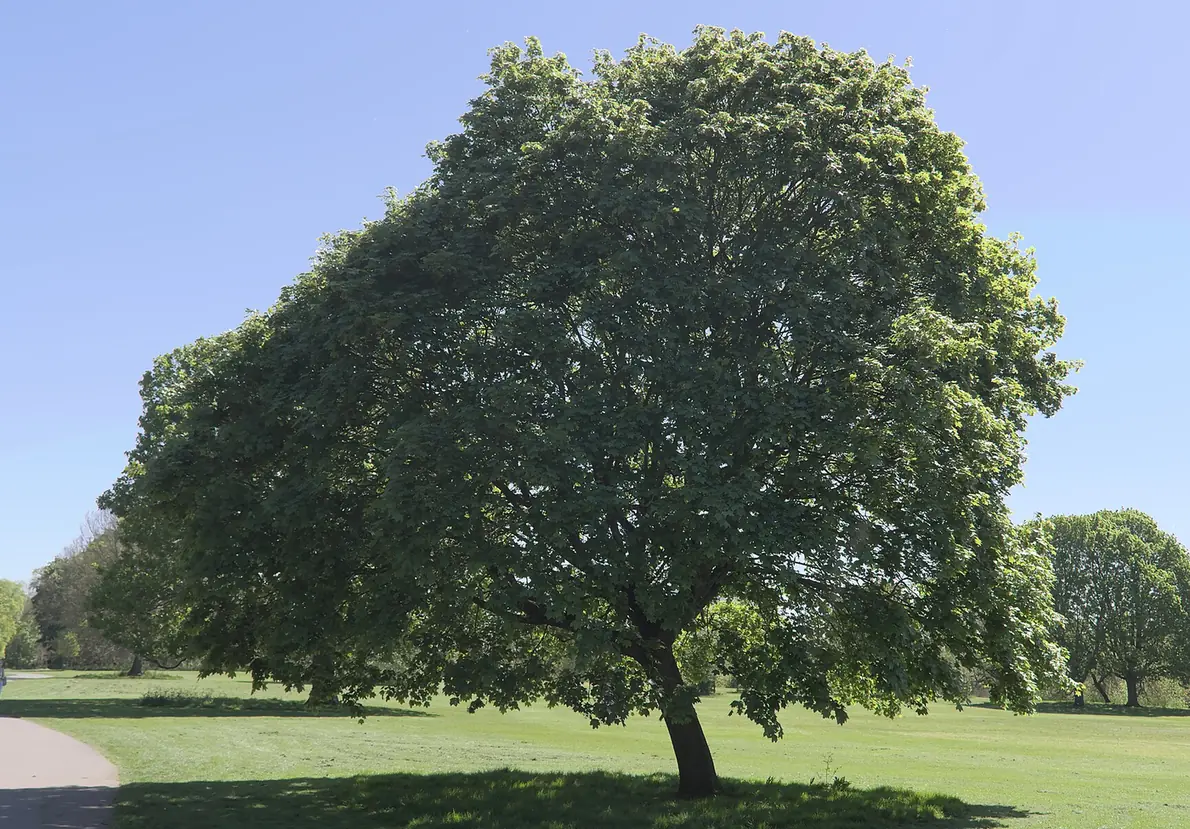
Sixty years of oak and maple on quarter-acre lots. Weymouth is the largest town in Norfolk County and its housing centers on 1964, roughly 26,700 units with a little over half of them detached, laid out across four villages that were mostly built out inside a couple of decades. The trees planted or left standing then are now mature red oak and sugar maple, sitting close to the houses and closer still to each other. Add a coastline that delivers a nor'easter most winters and the work here writes itself. Everything reached maturity at roughly the same time, which is why whole streets need the same conversation in the same decade.
- ✓ Red oak and sugar maple
- ✓ 1960s lot layouts
- ✓ Crane access assessed
- ✓ Permit question answered
- ✓ Nor'easter callouts
- ✓ Stumps ground below grade
Where We Work on the South Shore
The South Shore ring around Weymouth: Braintree and Quincy north, Hingham and Cohasset along the coast, Randolph, Holbrook and Abington inland, and out through Rockland, Norwell and Marshfield when the job warrants the run. One rate sheet, no mileage line on the invoice.
Street Trees and the rest, answered for Weymouth
Often not, in the sense that matters. A tree standing in the road layout between the curb and the sidewalk is a public shade tree, and Massachusetts protects it under a law separate from who owns the soil.
No, and that is the part people find hardest to believe. The statute says a public shade tree may not be cut, trimmed or removed by any person other than the tree warden, even if that person owns the fee in the land it stands on.
A written permit from the tree warden, then a public hearing with at least seven days' notice, with the notice posted on the tree itself. In Weymouth the trigger is any living public shade tree of two and a half inches diameter or more.
Then it stops there for the moment. If one or more people object in writing at or before the hearing, the tree warden cannot remove the tree unless the select board or the mayor approves it.
In Weymouth, replacement trees have to be provided at double the diameter of everything lost. That is a considerably worse outcome than the original job, which is why the first question on any roadside tree is where the line runs.
No, and anyone implying otherwise is worth a second look. There is no general arborist license in this state. The exception is public shade tree work, which has to be carried out or supervised by a certified arborist.
Cut them back to the line yourself, at your own cost. Massachusetts is where that rule comes from. Under Michalson v. Nutting the self-help remedy is the only one you get: no damages and no order compelling the neighbor to act.
Even then, on the authority of that case, whose facts were exactly that. Poplar roots fouled drains and cracked a cellar floor, and the court held the owner could cut them back but could not recover damages or obtain an injunction.
It achieves the reverse. Topping is condemned under the A300 standard. Removing that much canopy starves the tree, and the dense regrowth that replaces it is attached to the outer wood only and breaks sooner than what was taken off.
The base before the crown. Lifted turf or a ridge of soil opposite a lean means the root plate has turned. After that, fresh splits at forks, limbs lodged aloft, and anything now sitting at an angle it was not sitting at in November.
Not sure whether that street tree is even yours to cut?
Somebody real answers, the visit is not charged for, and where the week allows we get out to look within a few days. Ring, or send the details and we will come and put a tape on it.