
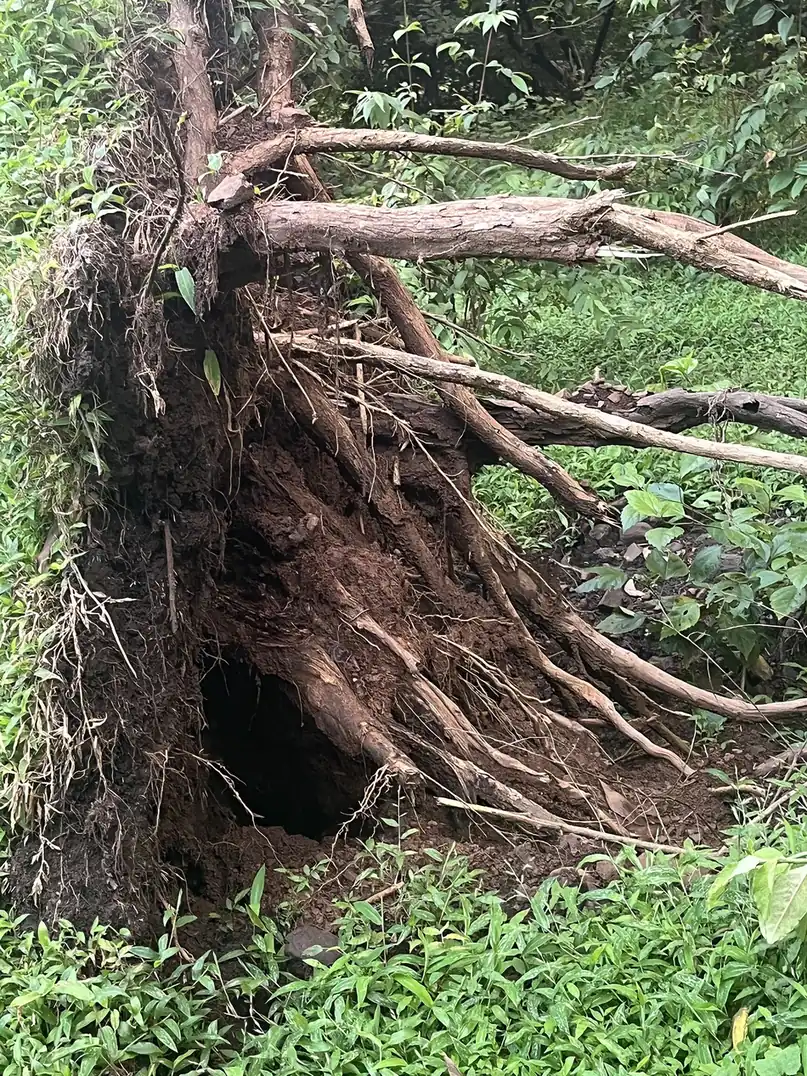
Storm Damage Cleanup in Weymouth, MA
The wind has already done the cutting. This is the part afterwards: sectioning what is down, chipping the brush, loading the wood and getting the garden back.
Down Wood Is A Different Job
Clearing what has already fallen is not the same work as taking down what is still standing, and mixing the two up is how people get hurt.
Already down is straightforward
A trunk lying on open lawn is sectioning and loading. It is heavy work and it is not especially technical, and the price reflects that.
Still under tension is not
A trunk hung up in another tree, or resting on a fence or a roof, is loaded. The order the cuts come in is the whole job and it is treated as standing-tree work.
Volume, not hours
Debris work is priced off what is actually there and where it can go, which is why somebody looks before quoting rather than after the first load.
The street tree is not yours to clear
If what came down is a public shade tree, that is the tree warden's, and we will tell you so rather than quietly billing you for the town's tree.
How the clean-up Gets Done
Look, section, chip, load, sweep. The looking is what stops a clean-up turning into something more dangerous.
Call
What is down, roughly how much of it, and whether any of it is still resting on something or under tension.
Assess
Anything loaded gets separated out and handled as a standing-tree job rather than dragged at.
Quote
Written, priced off what is actually on the ground, before anybody starts loading.
Clear
Sectioned, chipped, loaded and taken away, then the ground raked so you can see what you have got back.
What Changes a clean-up quote
| Factor | Effect on the job |
|---|---|
| Volume actually on the ground | The main driver, and the one photographs hide |
| Anything still under tension | Moves that part into standing-tree work |
| Access for a chipper | Decides whether brush is dragged or carried |
| Ground condition | Saturated lawn in February limits what can drive on it |
| Chips staying or going | Changes the number of loads off the property |
| Whose tree it was | A public shade tree is the town's, not your bill |
We will tell you if what is left standing is fine, and we will tell you if it is not, while we are already there clearing the last one. The figure is written down before anything is loaded, storm week or not.
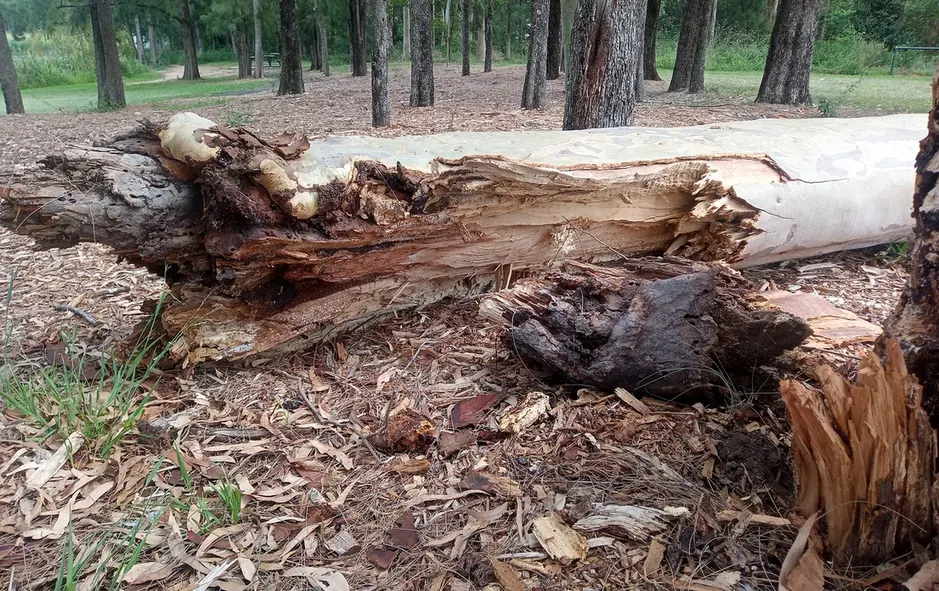
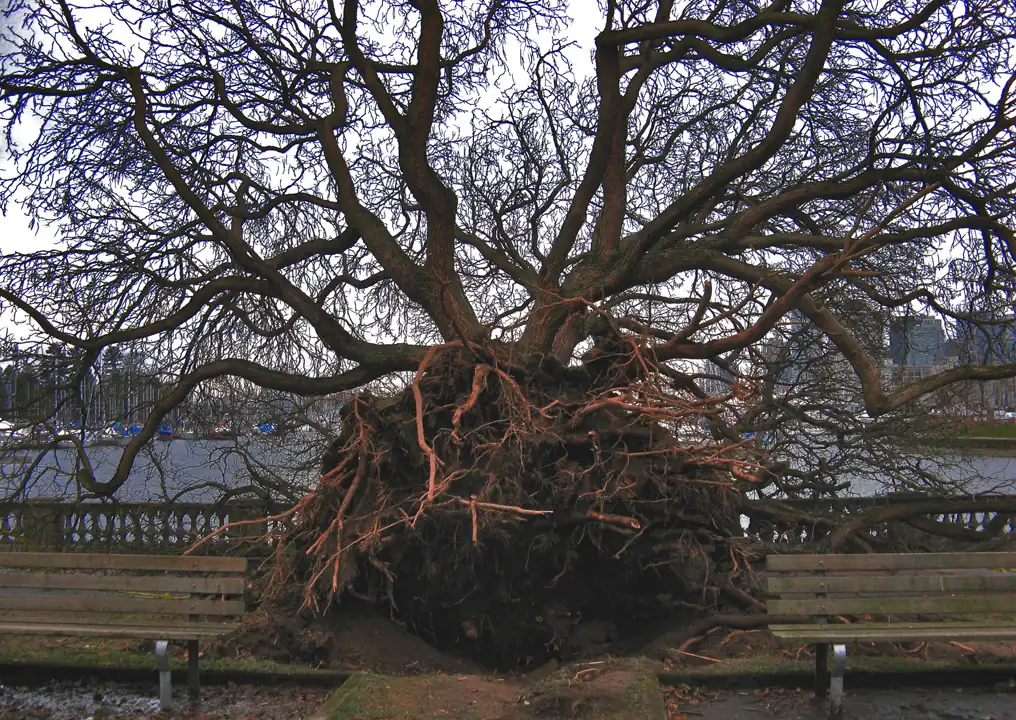
What a coastal winter leaves on a Weymouth lawn
More than one storm's worth, usually. The South Shore takes repeated onshore wind through a long winter rather than one dramatic event, so damage in Weymouth accumulates: a limb in December, a bigger one in February, the tree itself in March once the ground has been saturated for weeks. That is why the clean-up call so often arrives with a second question attached about whether the rest of the tree is still sound, and why we answer both while we are already standing there rather than booking a separate visit for it later on. The survey costs you nothing either way.
- ✓ Sectioned and chipped
- ✓ Loaded and hauled
- ✓ Loaded wood handled separately
- ✓ Ground raked after
- ✓ Priced off what is there
- ✓ Street trees flagged to the town
Six jobs a Weymouth lot tends to need
Takedowns, crane work, pruning, stumps, storm callouts and the clean-up that follows a nor'easter.
Tree Removal
Dropped whole where the space exists, otherwise taken apart from the top on ropes.
Learn more →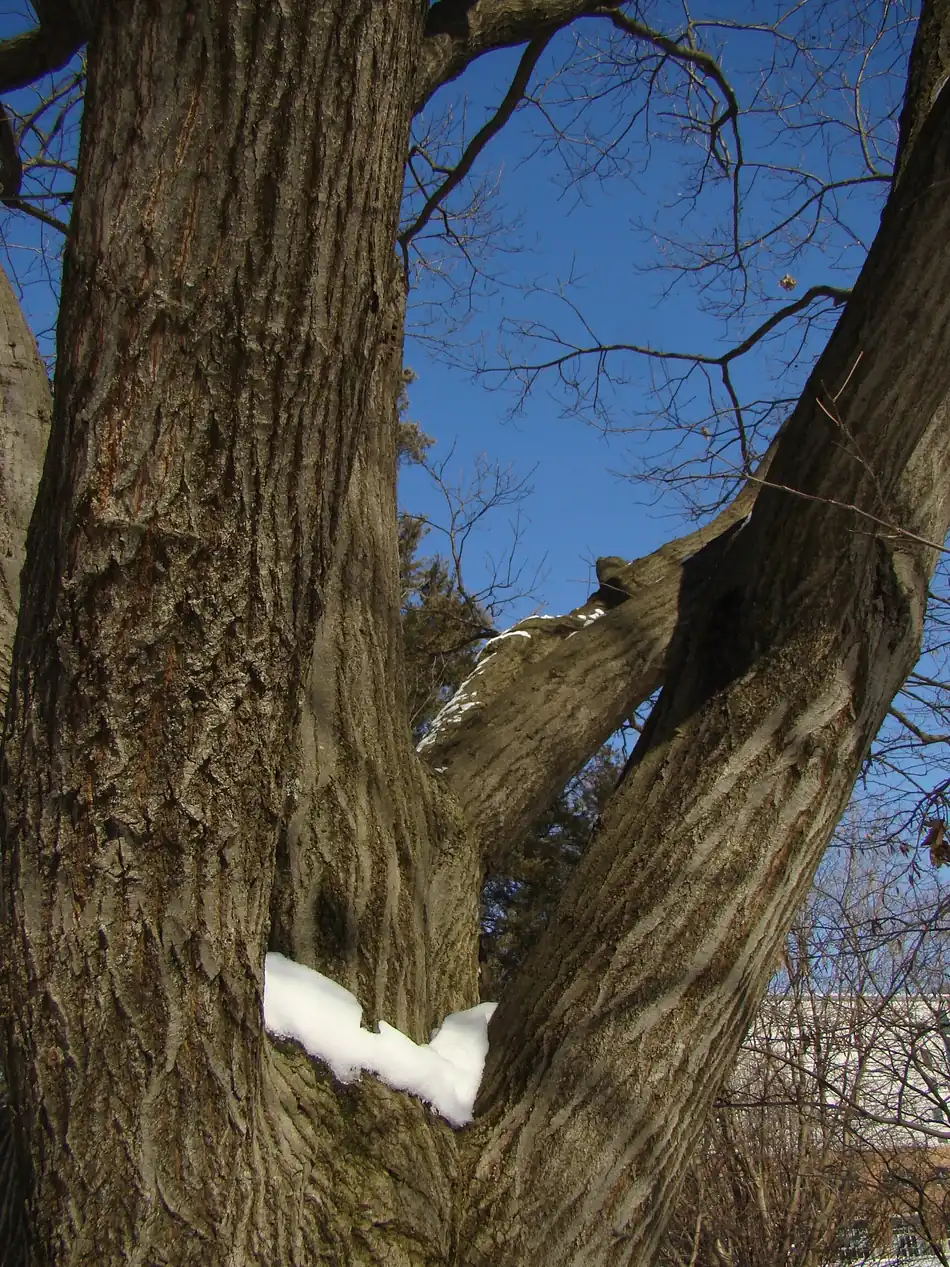
Tree Trimming
Thinning, raising, reduction and deadwood, every cut set outside the branch collar.
Learn more →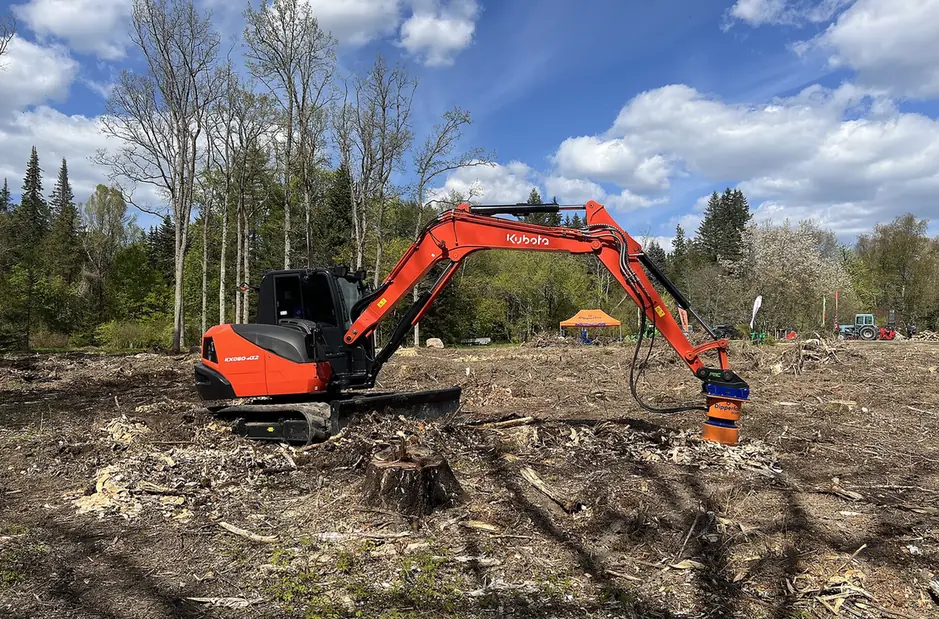
Stump Grinding
Ground out under the surface until the spot will take grass, a bed or a post again.
Learn more →Emergency Tree Service
Anything on a roof, across a drive or leaning since the storm, seen ahead of the queue.
Learn more →
Crane-Assisted Removal
A crane lifts the sections out over the house when there is nowhere to lower them.
Learn more →Storm Damage Cleanup
The clean-up after the wind: cut, chipped, loaded and carried off the property.
Learn more →Where We Work on the South Shore
The South Shore ring around Weymouth: Braintree and Quincy north, Hingham and Cohasset along the coast, Randolph, Holbrook and Abington inland, and out through Rockland, Norwell and Marshfield when the job warrants the run. One rate sheet, no mileage line on the invoice.
Clean-up questions answered
Off the volume that is actually on the ground and where it can go, quoted in writing after somebody has looked. Not by the hour, and not from a photograph, because photographs flatten a pile.
Then it is not clean-up. Anything still aloft or under tension is handled as standing-tree work, because it is holding energy and the sequence of cuts is what keeps it safe.
Either way. Chips make usable bed mulch and plenty of people keep them, which saves us a trip and saves you buying bags. Say which when we quote.
Yes, and we will do it while we are on site. A storm that took one limb has usually told you something about the rest of the crown, and it is worth hearing before the next one.
That one belongs to the town. A public shade tree is the tree warden's responsibility, so report it and we will be clear about where our part starts and stops.
For a tree on your own land that is already down, generally not. The permit question attaches to cutting living public shade trees, not to clearing what the wind has already taken.
Clean-up sits behind anything on a structure or blocking access, which is the right order even when it is your garden. You will get an honest window rather than a hopeful one.
Usually, though a heavy drag across saturated ground in February leaves marks that take a spring to grow out. We plan the route to keep that to a minimum and tell you what to expect.
Not sure whether that street tree is even yours to cut?
Somebody real answers, the visit is not charged for, and where the week allows we get out to look within a few days. Ring, or send the details and we will come and put a tape on it.